
If you’re a high-achieving mom, you likely spend most of your day in doer mode.
You’re tracking schedules.
Solving problems.
Thinking ahead.
Managing what’s next.
Moving the day along.
Even in quiet moments, your brain stays busy.
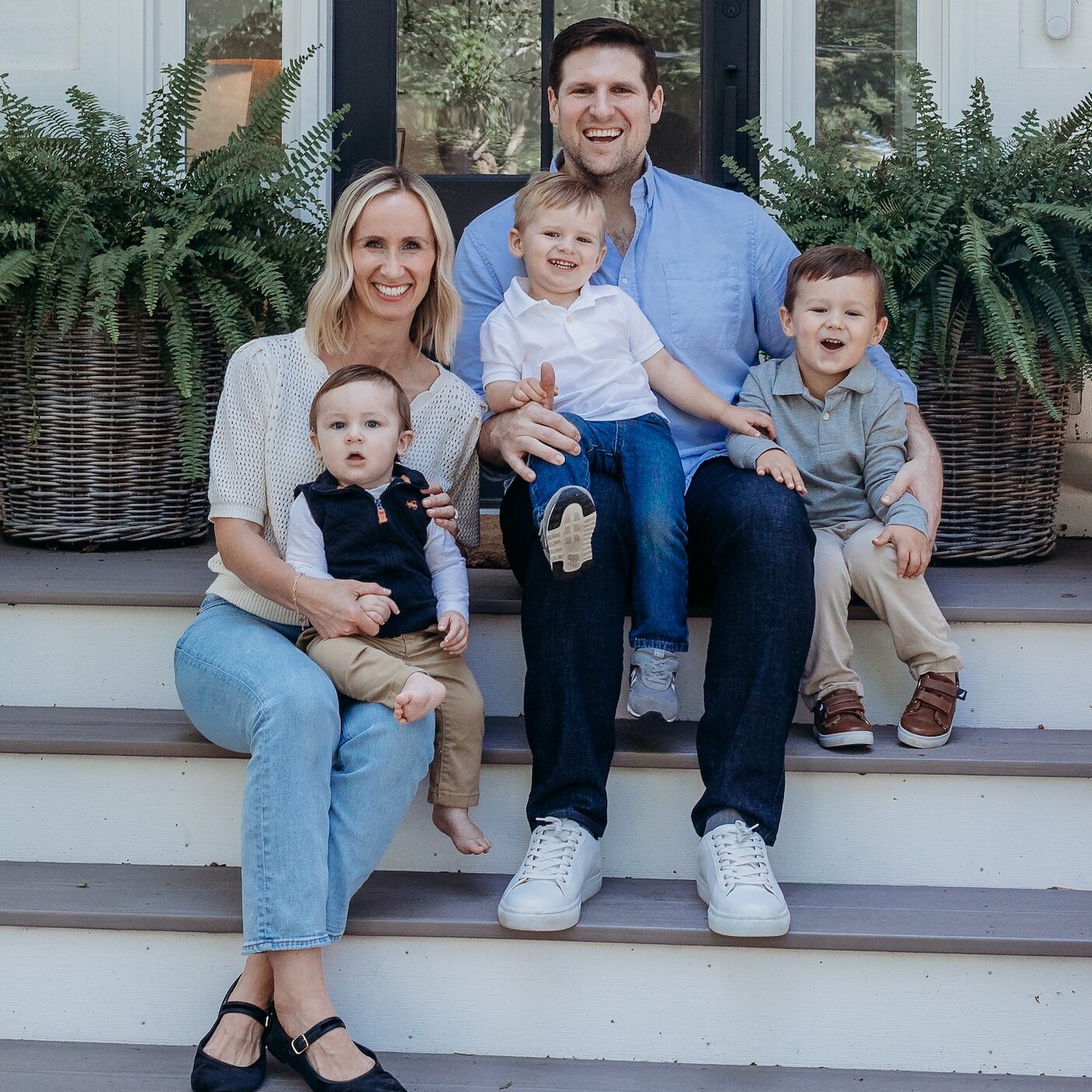
As a high-achieving mom of three boys, former lawyer, and business owner, I’m the same way by default. My brain naturally wants to plan, optimize, and stay one step ahead.
But over time, I realized something important: staying in doer mode all day was costing me presence, calm, and connection.
So I created a better way—one that allows me to intentionally shift into being mode, where I can slow down, soften, and actually be with my kids instead of managing them.
The Cost Of Doer Mode For High-Achieving Moms
The cost comes when doer mode becomes the only mode you know how to be in.
When you’re living there all day, your body stays slightly tense. Your mind stays ahead of the moment. And even when you’re physically present with your kids, part of you is still tracking, planning, or mentally moving on to what’s next.
This is why so many high-achieving moms say things like:
“I’m doing everything I’m supposed to do, but it doesn’t feel good.”
“I can’t relax, even when I want to.”
“I’m with my kids, but I don’t feel connected the way I thought I would.”
The constant doing creates a subtle kind of distance.
Not because you don’t love your kids.
Not because you’re doing motherhood wrong.
But because connection doesn’t happen in doer mode.
It happens in being mode.
When you’re always scanning for what needs to be handled next, your nervous system doesn’t register safety or spaciousness. And without that, presence feels forced, patience feels thin, and joy feels fleeting.
Over time, this can leave you feeling like motherhood is something you’re managing instead of something you’re actually experiencing.
And that’s a heavy way to live—especially when you care as much as you do.
Rsources:
- How To Be A More Patient Mom: Overcoming Guilt And Frustration (blog post)
- 40 Of The Best Parenting Tips (blog post)
- Lighten Up Motherhood (free course)
- My Top 7 Parenting Tools (podcast)
The Benefits Of Being Mode
Being mode is where your attention drops into the present moment.
Your body softens.
Your breath slows.
Your mind stops scanning for what’s next.
Nothing about your life has to change for this to happen. The dishes can still be in the sink. The schedule can still be full. The difference is internal.
When you’re in being mode, you’re no longer trying to manage the moment. You’re actually in it.
This is the state where connection with your kids feels natural instead of effortful. You notice their tone, their expressions, the small moments that usually pass by when your brain is busy running ahead.
Being mode is also where patience expands. Not because you’re forcing yourself to be calm, but because your nervous system isn’t operating from urgency.
For high-achieving moms, this shift is especially powerful. You don’t need to stop being capable, organized, or driven. You just need to learn how to move between modes—using doer mode when it serves you, and stepping into being mode when connection matters most.
The good news is that this isn’t a personality change or a life overhaul.
It’s a set of small, intentional shifts you can practice in everyday moments.
And that’s what I’ll walk you through next.
Resources:
- Cognitive Distortions Class (membership)
- How Mindset Has Changed My Life As A Mom (blog post)
- 10 Mindset Shifts For Moms (podcast)
- Mindset Tips For Beginners For Moms (blog post)
10 Ways To Shift From Doer Mode To Being Mode
Shifting from doer mode into being mode doesn’t require more effort or another system to follow. It’s less about changing your life and more about changing how you arrive in the moments you’re already in.
The goal isn’t to stay in being mode all day. It’s to know how to access it—especially during moments when connection, presence, and calm matter most.
Here are simple ways to begin making that shift:
- Pause before responding.
- Notice your breath and soften your shoulders.
- Do one thing slower on purpose.
- Put your phone in another room.
- Anchor into your senses—what you see, hear, feel.
- Ask: “What matters most right now?”
- Name one emotion you feel in this moment.
- Give yourself permission not to rush.
- Focus on connection, not productivity.
- Remind yourself: “Being is enough.”
None of these are about doing motherhood better or checking another box.
They’re small signals to your brain and body that it’s safe to slow down, settle in, and be present with what’s happening right now.
Over time, these small shifts make it easier to move between doer mode and being mode—so you can stay capable and driven and deeply connected to your kids.
A Final Note
Doer mode isn’t just a habit—it’s a mental default built from years of responsibility, achievement, and pressure. That’s why trying to “remember to slow down” only works sometimes.
Real change happens when you learn how to notice the thoughts driving urgency, tension, and over-functioning—and intentionally rewire them.
This is exactly what we do inside the Mom On Purpose Membership through weekly mom group coaching.
Each week, you practice brain management in real time, apply it to your actual life and parenting challenges, and gradually retrain your brain to access calm, presence, and connection more easily.
You don’t stop being capable or driven.
You simply stop living in doer mode all the time.
And that’s when being mode starts to feel natural—not forced.
Join Mom On Purpose today and start shifting from doer mode to being mode—you deserve it!